
Be Safe: Relationships Social Story, Parts 1-6
Overview
This resource, part of the Be Safe resource collection focused on the prevention of sexual abuse and assault, provides information on different types of relationships such as friendships, family relationships, romantic relationships, strangers and acquaintances.

There are many people in the world.
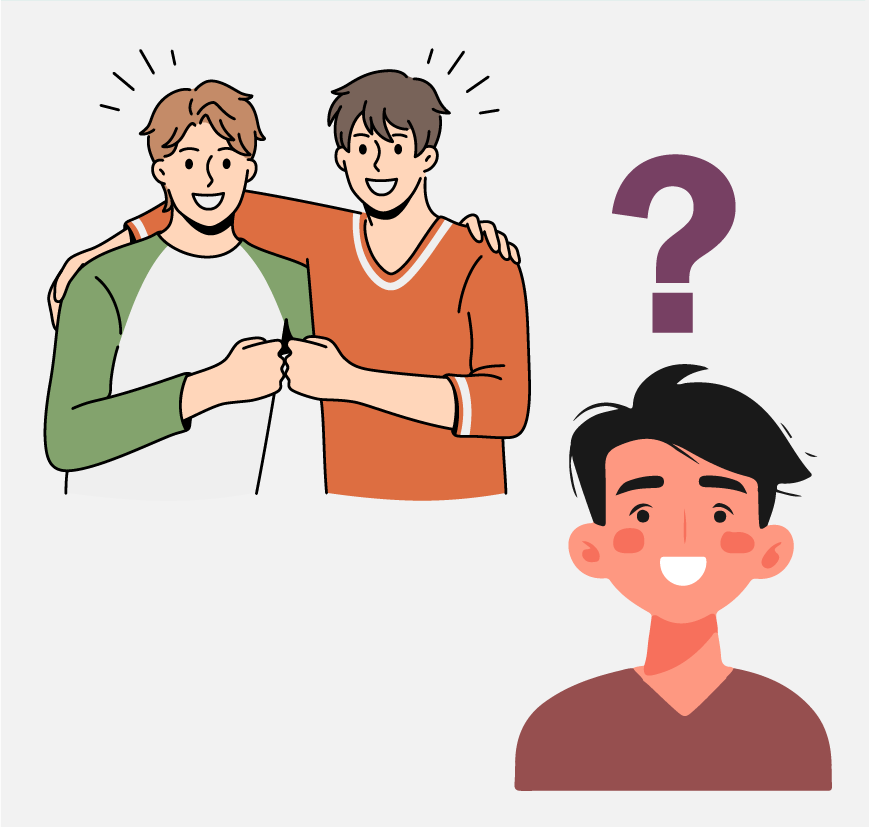
Some people may be new to you, and others you may know well.
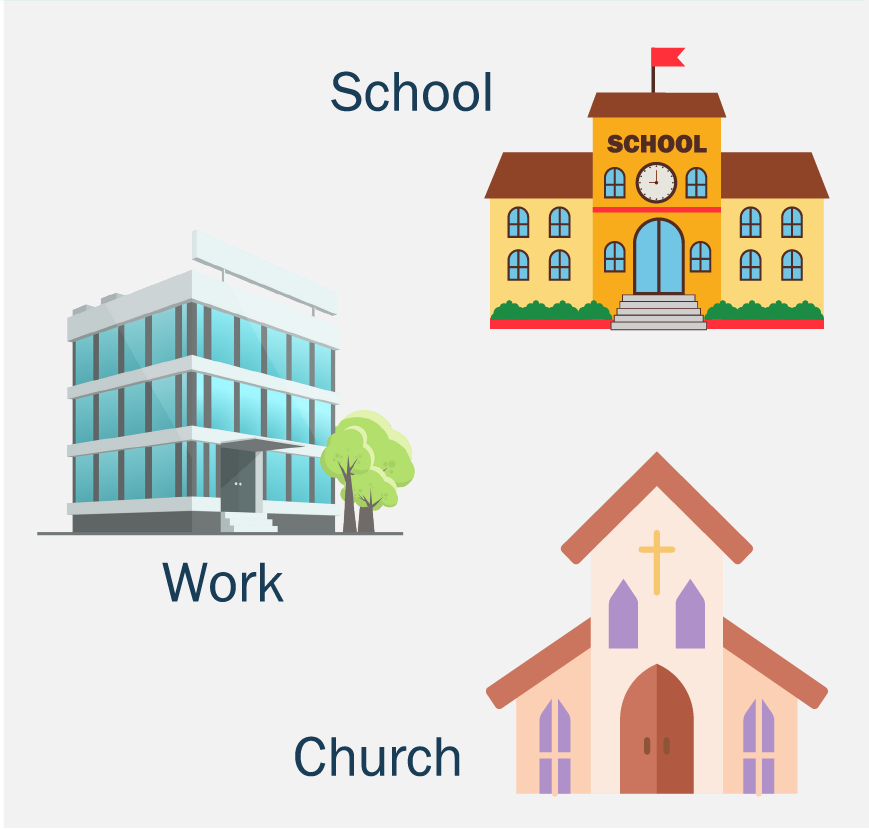
'Relationship' is used to describe how different people know each other.
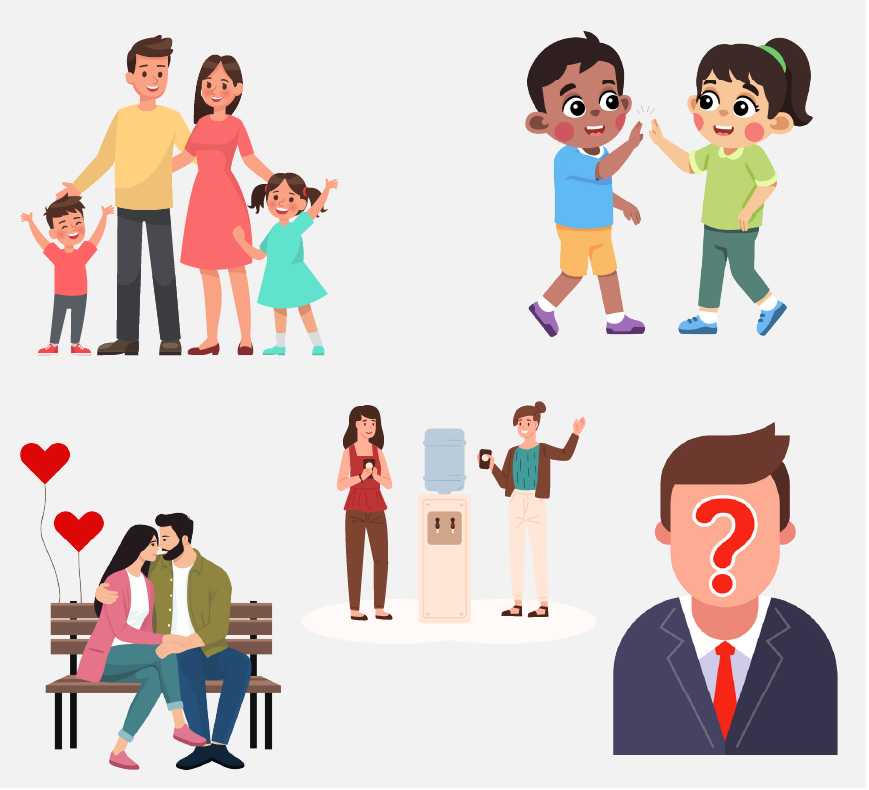
Relationships can be put in 5 groups: family, friends, acquaintances, romantic and strangers.
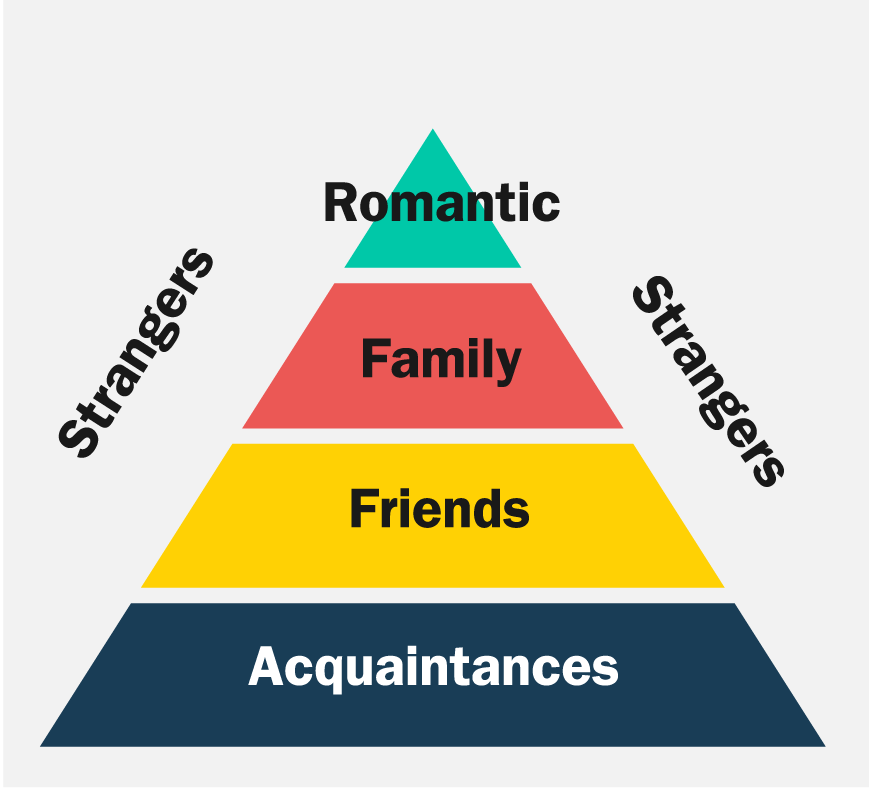
These 5 groups describe the different types of relationships you may have in your life.
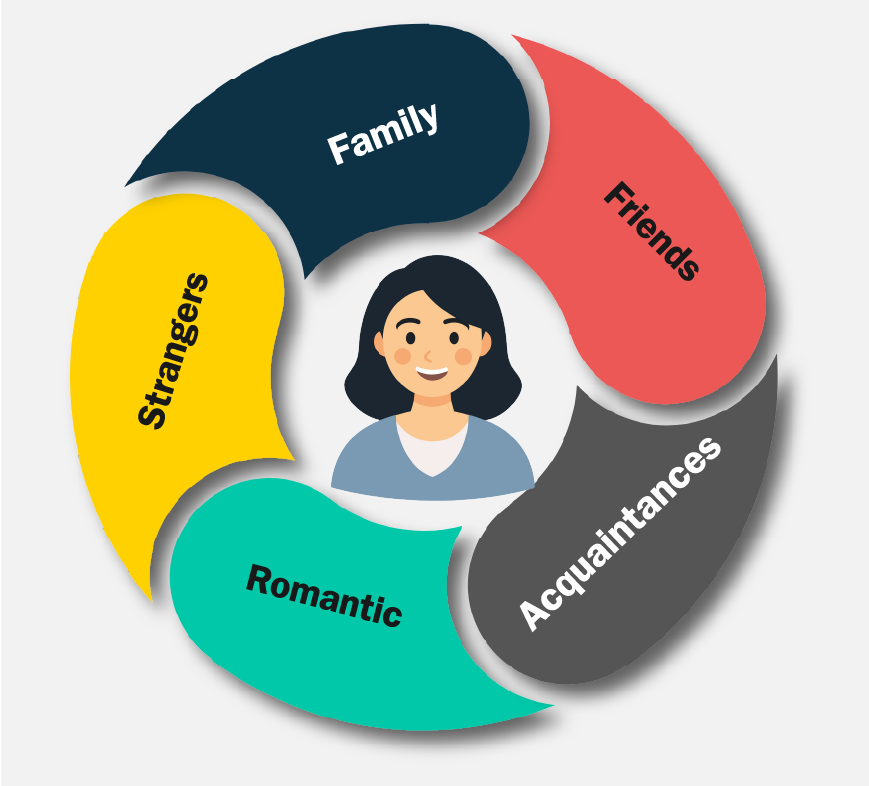
Not everyone has all of these relationships, but all relationships can be put into these groups.
Page 1 of 6
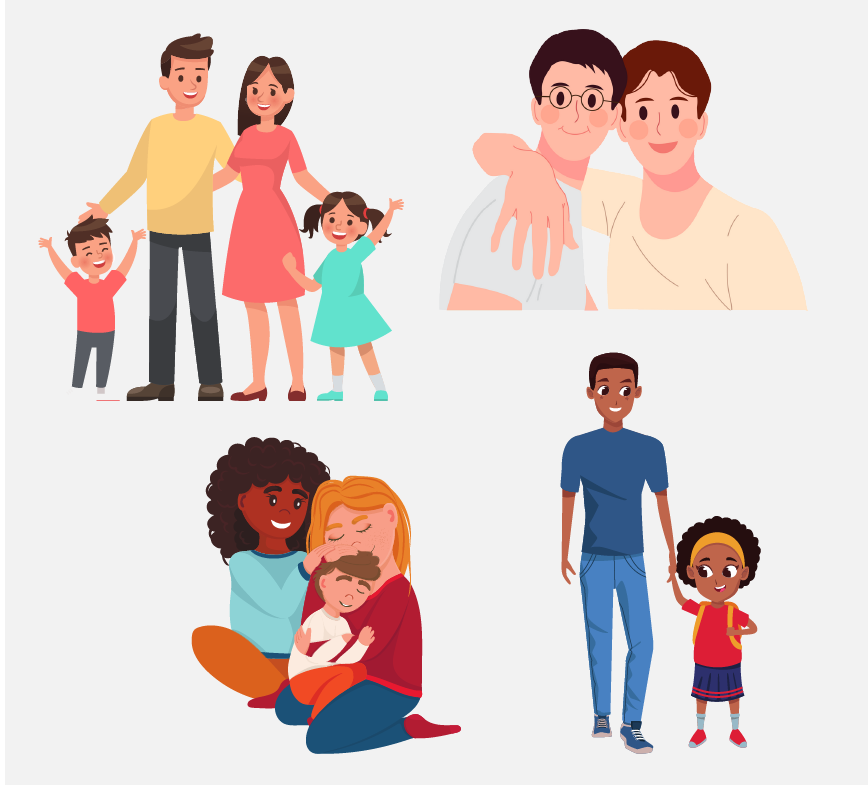
There are many different types of families and different types of family relationships.
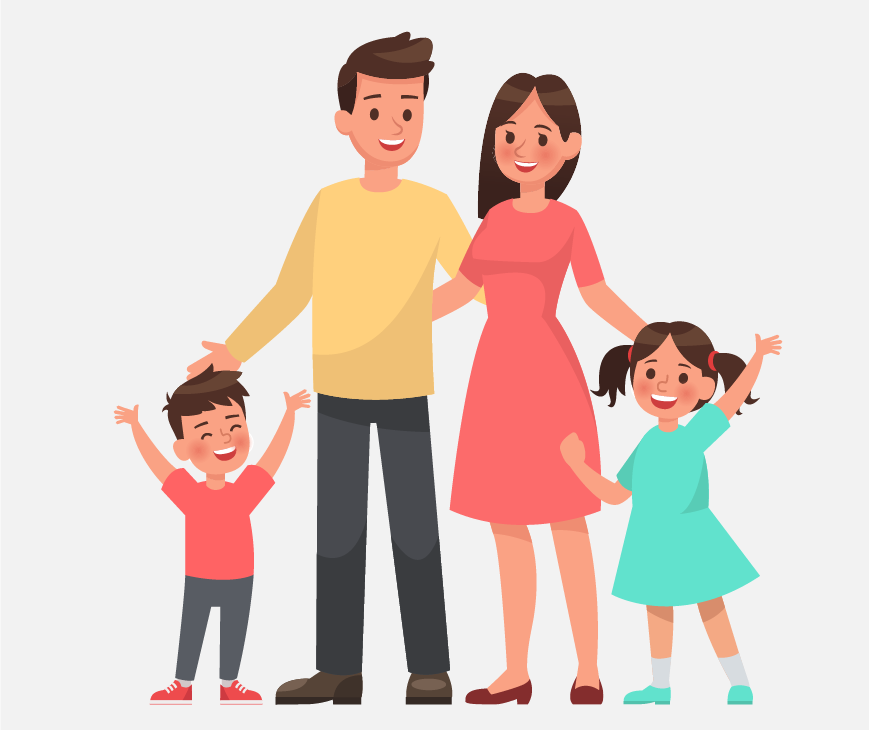
People usually have 'close' family relationships with their parents and brothers or sisters. This is called your 'immediate family.'
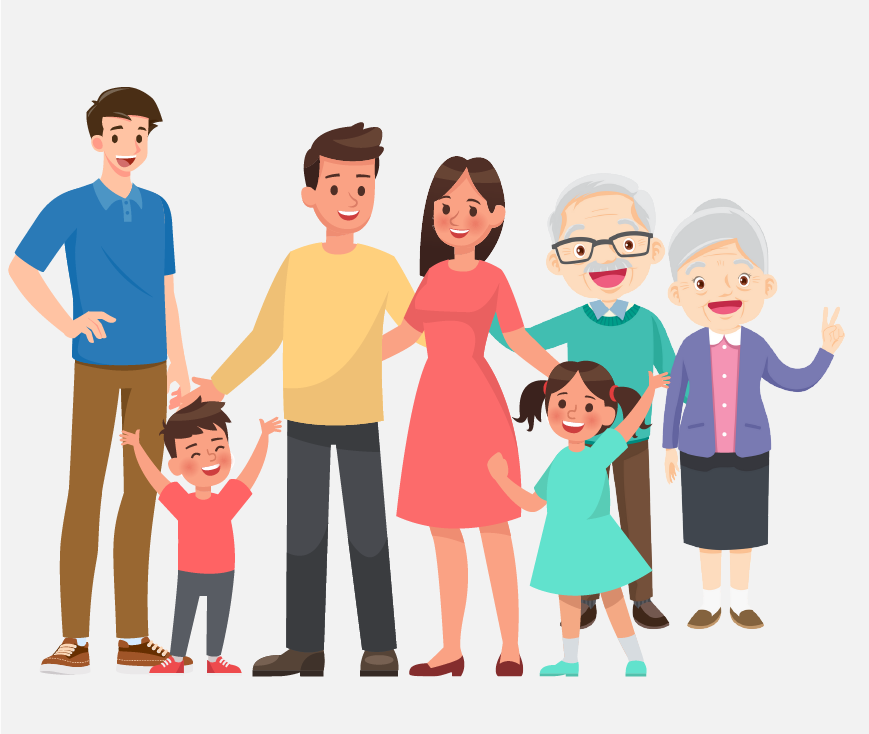
Sometimes, people can have close family relationships with grandparents, aunts, uncles and cousins. This is called your 'extended family.'
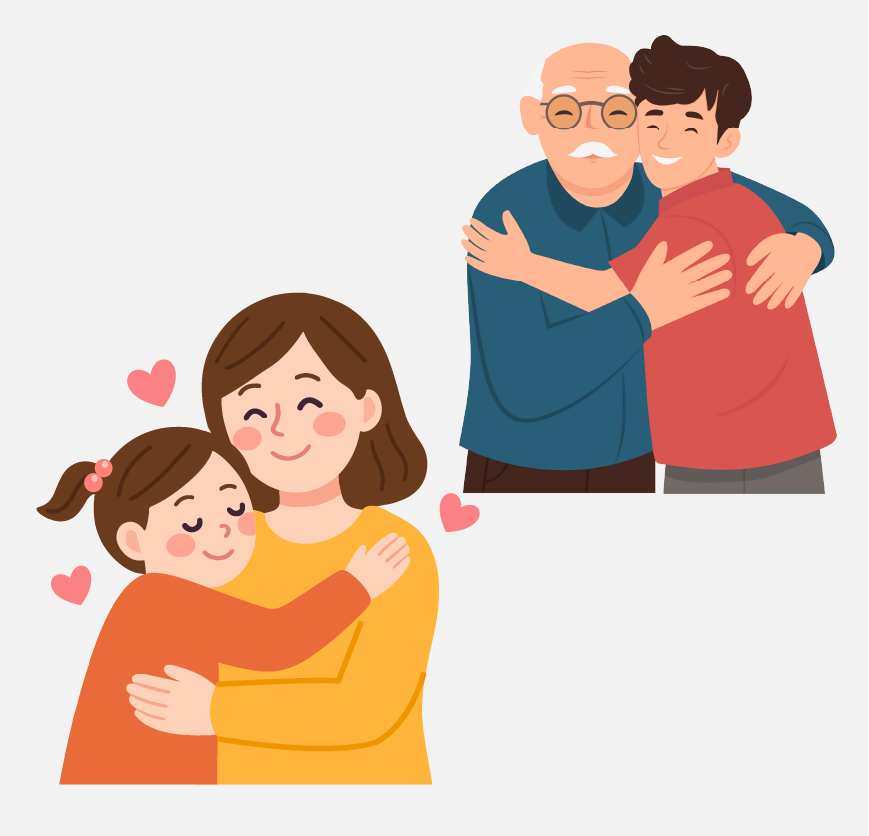
People in family relationships usually feel love and closeness for each other.
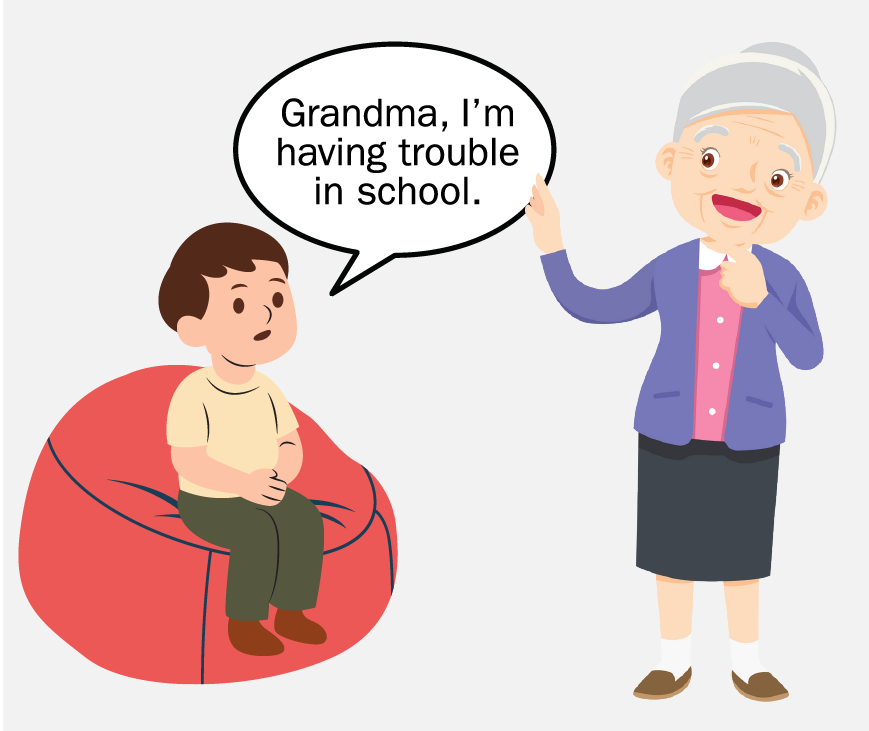
You can talk to people you have a family relationship with about many different things, including things that are very personal.
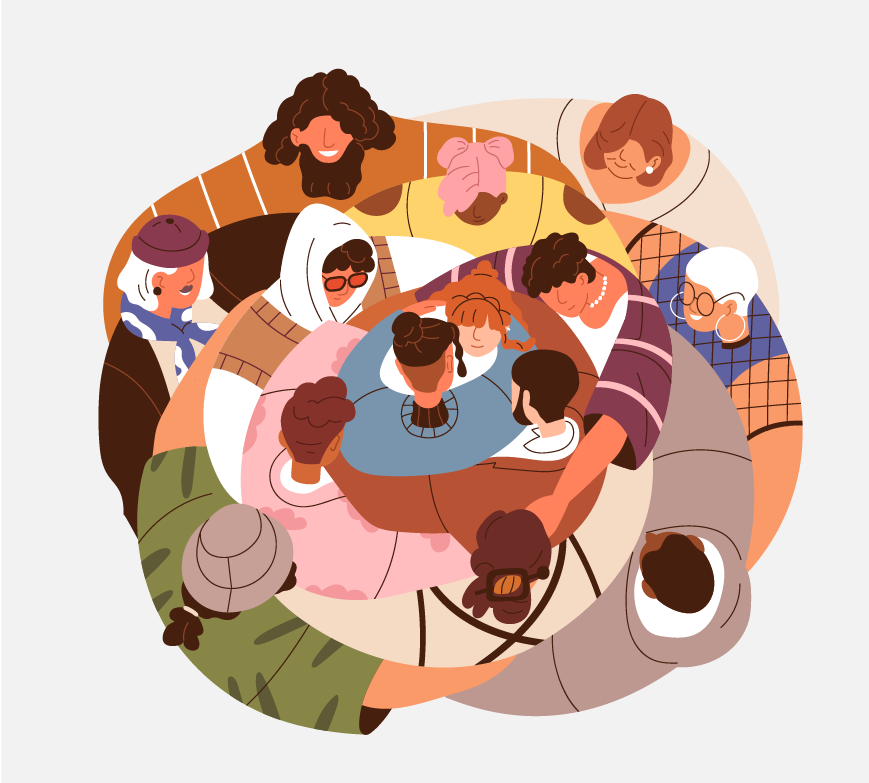
Parents, grandparents and other older relatives often provide support and help as part of a family relationship.
Page 1 of 6
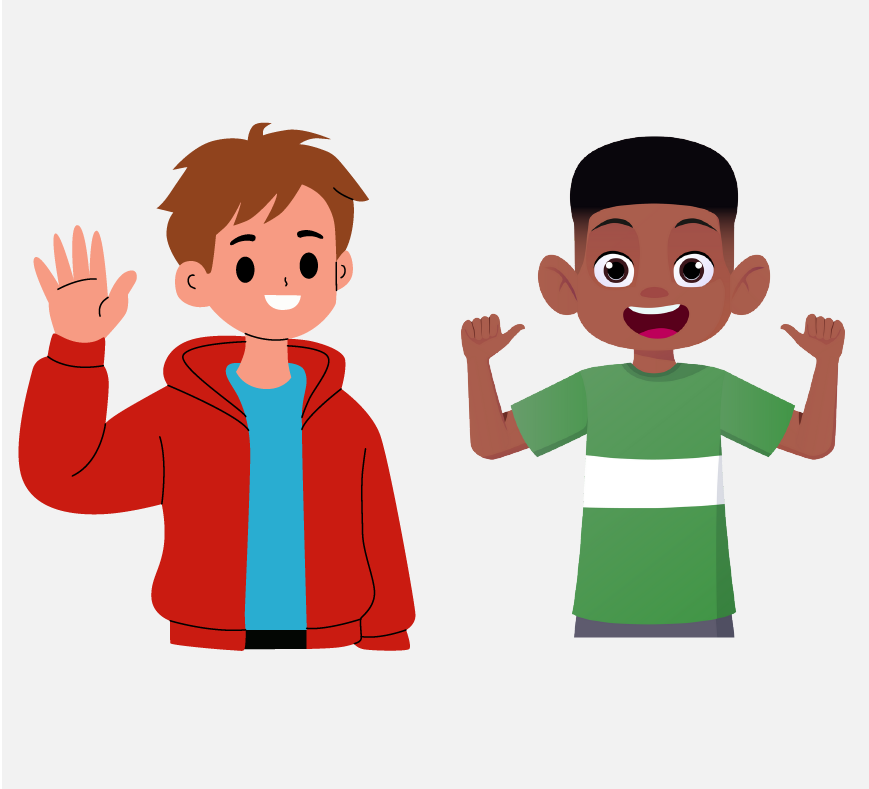
A friend is someone you know well, enjoy spending time with and choose to have as part of your life.
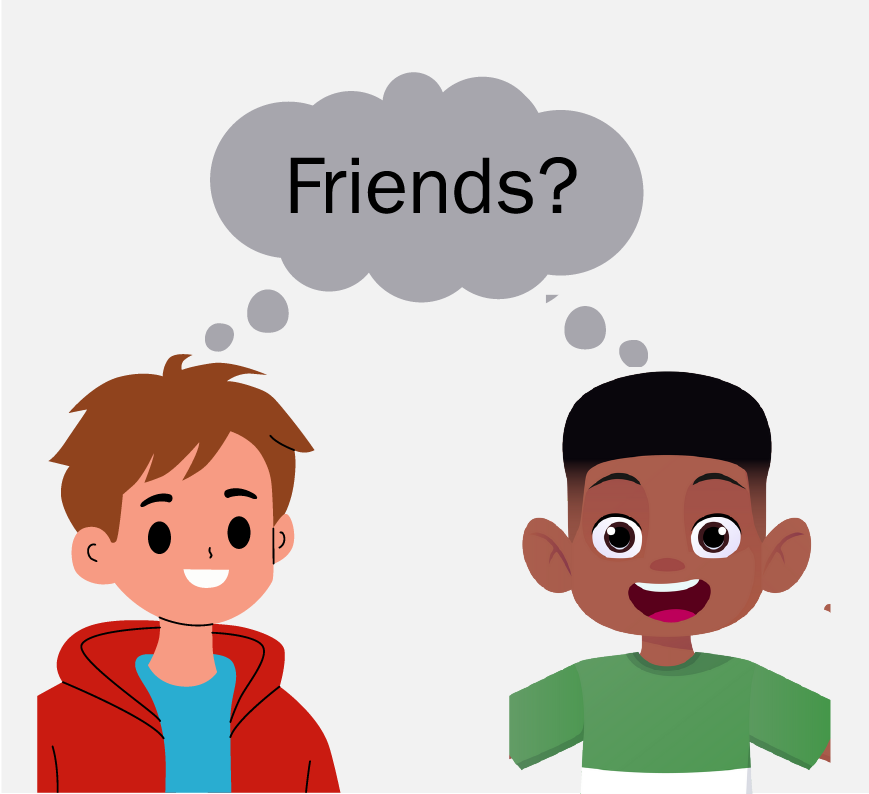
For a relationship to be a friendship, both people must think of each other as friends.
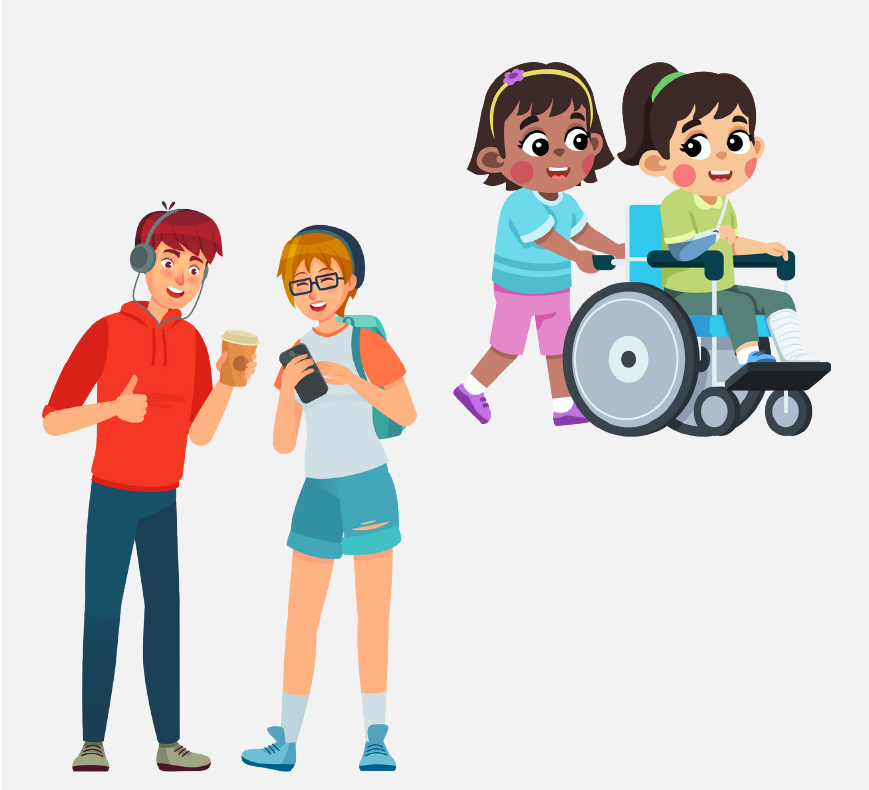
Friends are not related to us like family, but can provide support and help like families do.
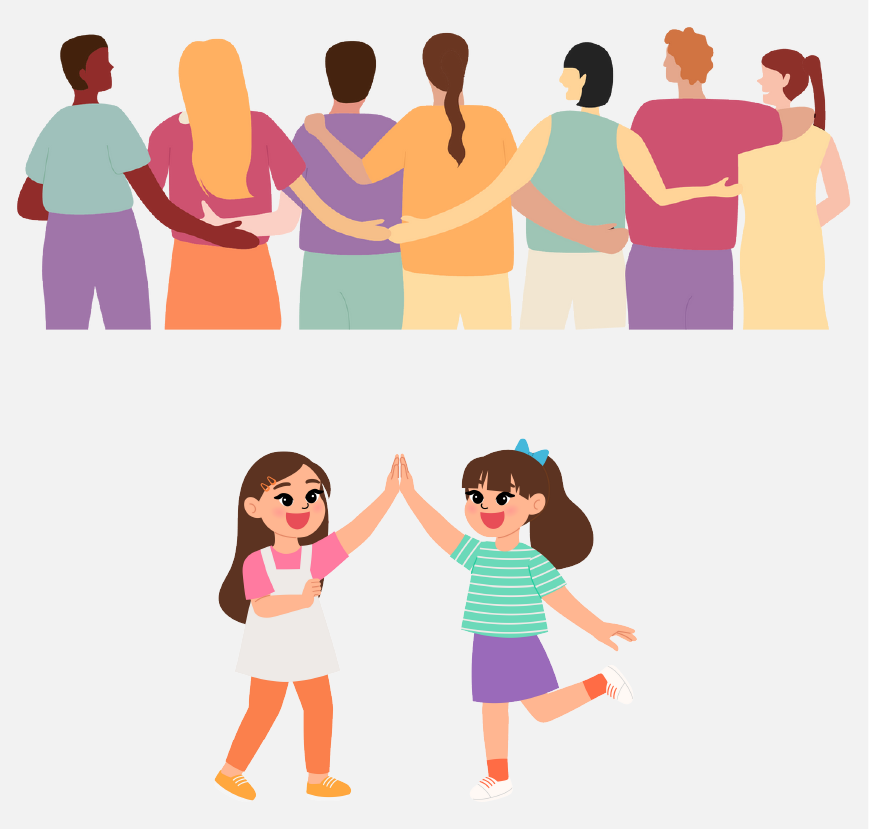
Some people have many friends, while others only have a few.
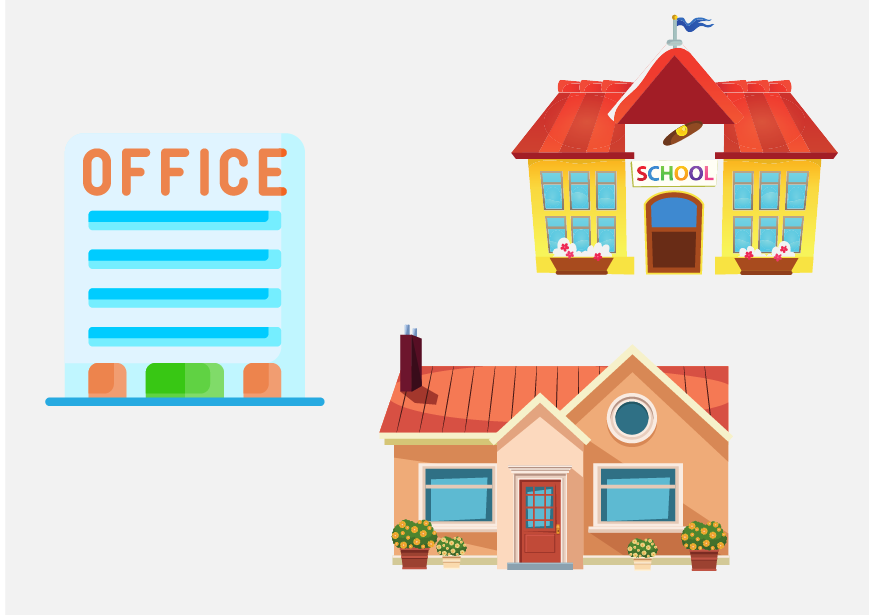
There are different kinds of friendships, usually depending on how long you've known the person or how you know them. Some examples are best friends, family friends, childhood friends or work friends.
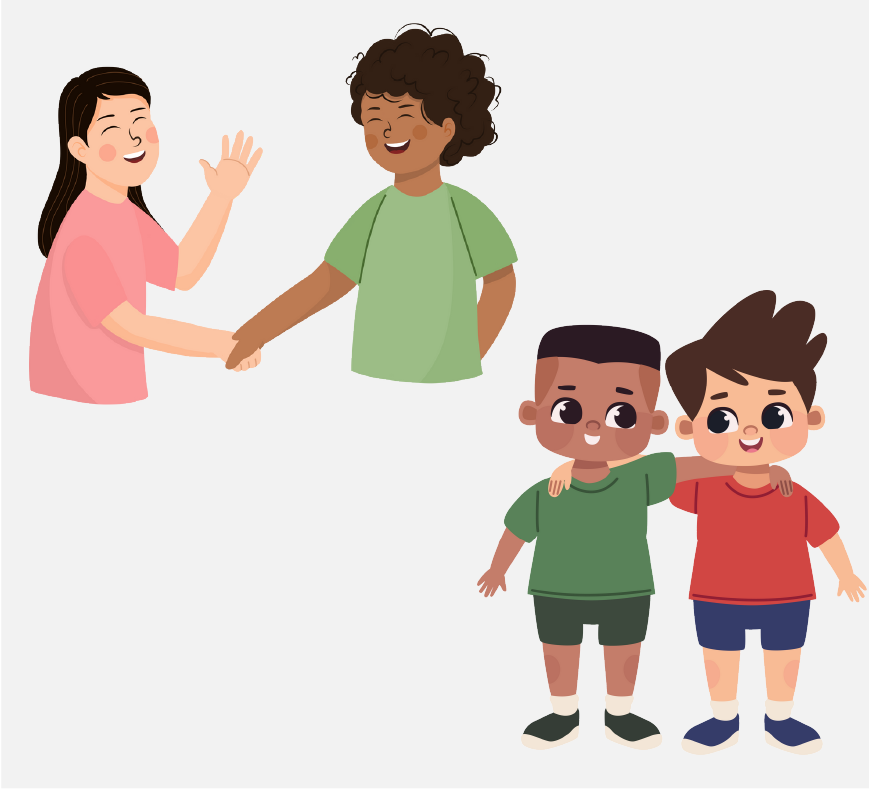
While friends sometimes hug each other or shake hands, most friendships don't involve a lot of physical contact.
Page 1 of 6

Romantic relationships are between two people who feel strongly attracted to each other, and are not family.
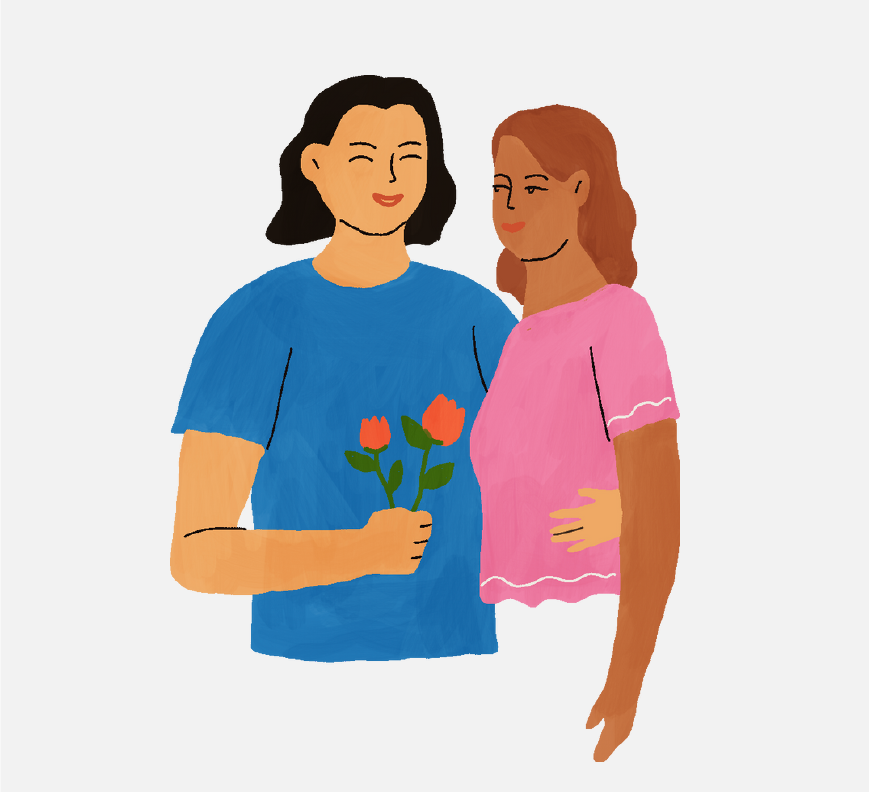
People in romantic relationships share very personal information with each other, and provide support to each other.

Both people have to agree to be in a romantic relationship.
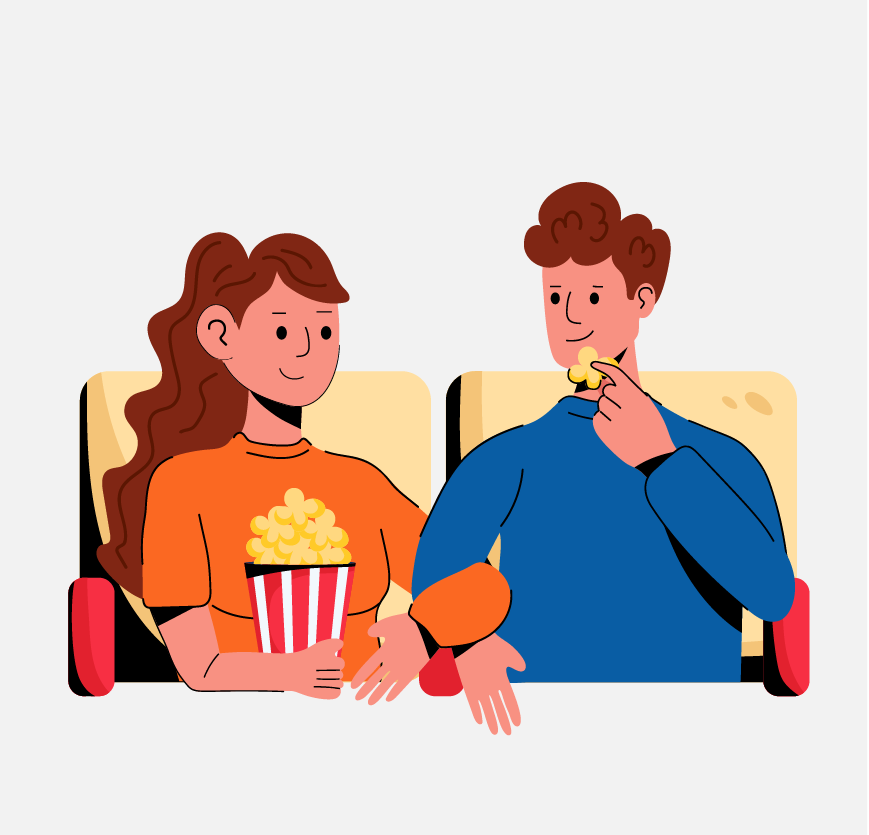
Being in a romantic relationship with someone is sometimes called 'dating.'
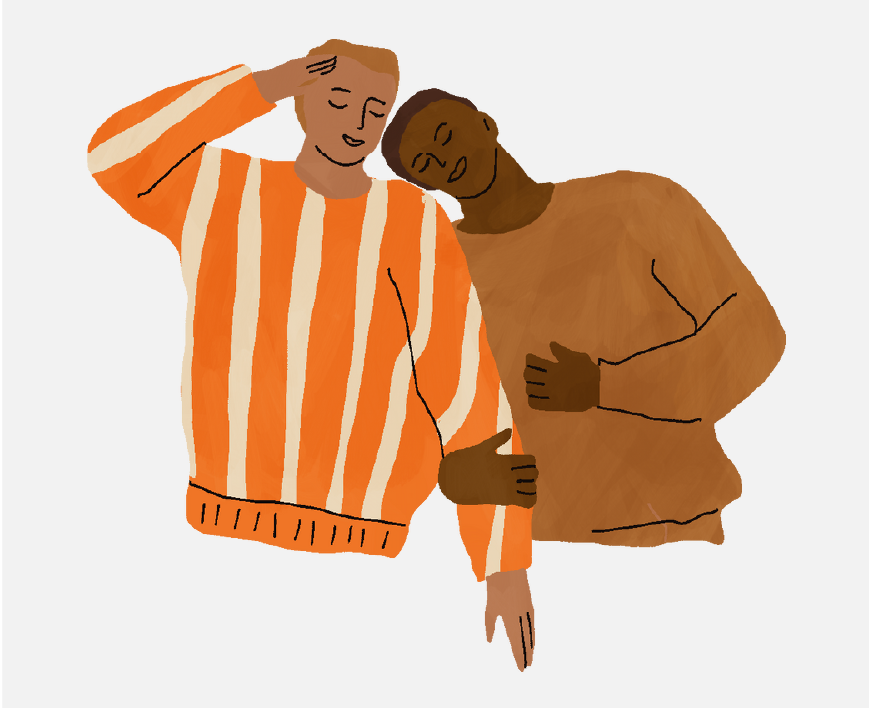
People who are in romantic relationships will sometimes hug, hold hands, kiss or have other kinds of physical, sexual contact.

Romantic relationships can happen between a man and woman, two women, or two men.
Page 1 of 6

Acquaintances, or casual relationships, are people that you see often but don't know very well.
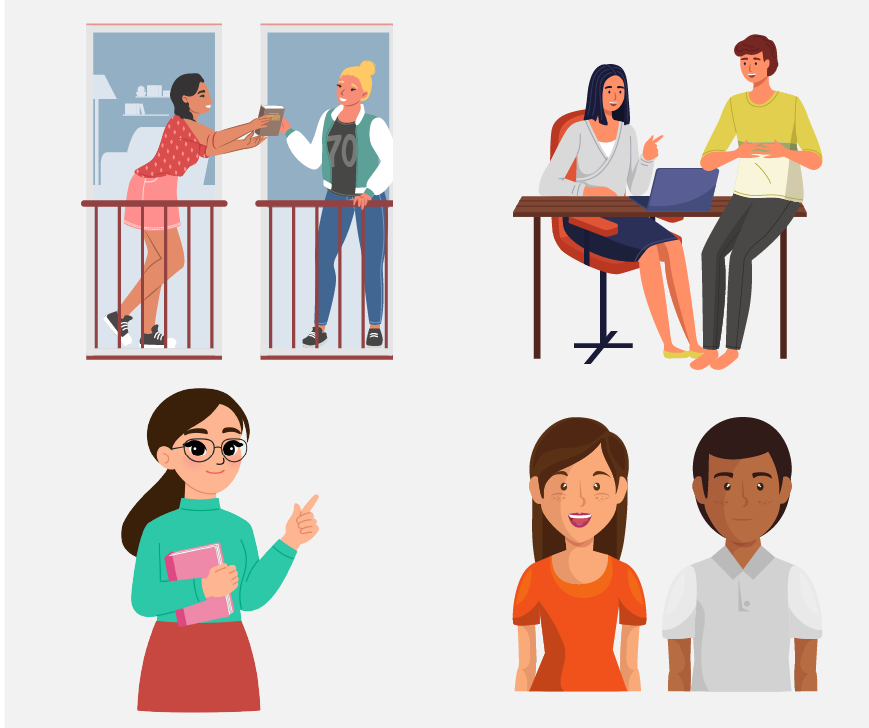
People usually have lots of acquaintances in their lives and can include people like neighbors, co-workers, teachers or your parents' friends.

These are people you may talk to often, but usually not about private or personal topics.
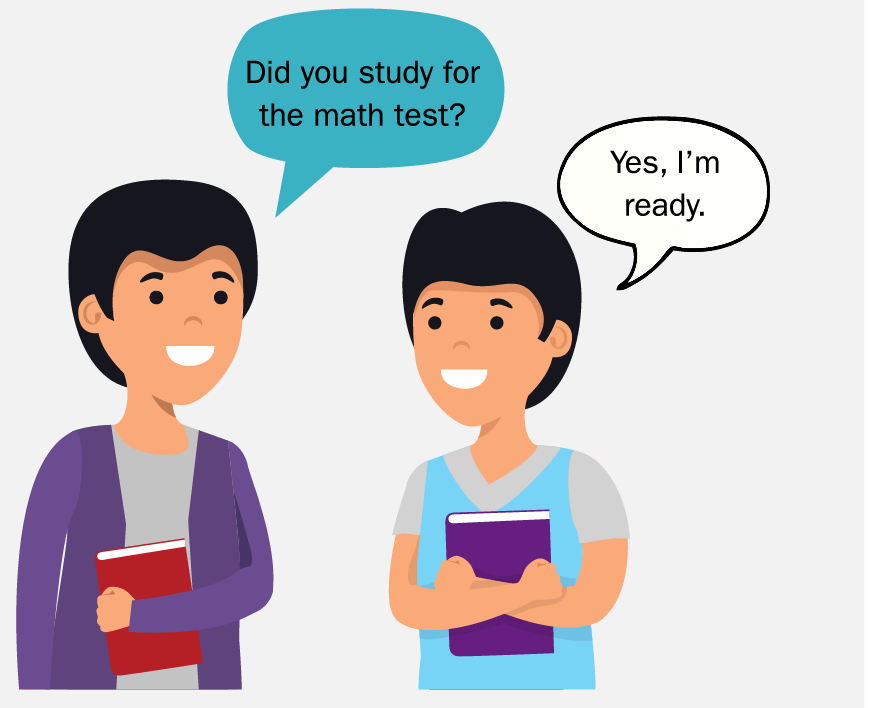
You might talk about the weather, a work or school project you're working on or general things happening in your life. This is called "small talk."

There is usually no physical contact between acquaintances, unless it's a formal handshake.
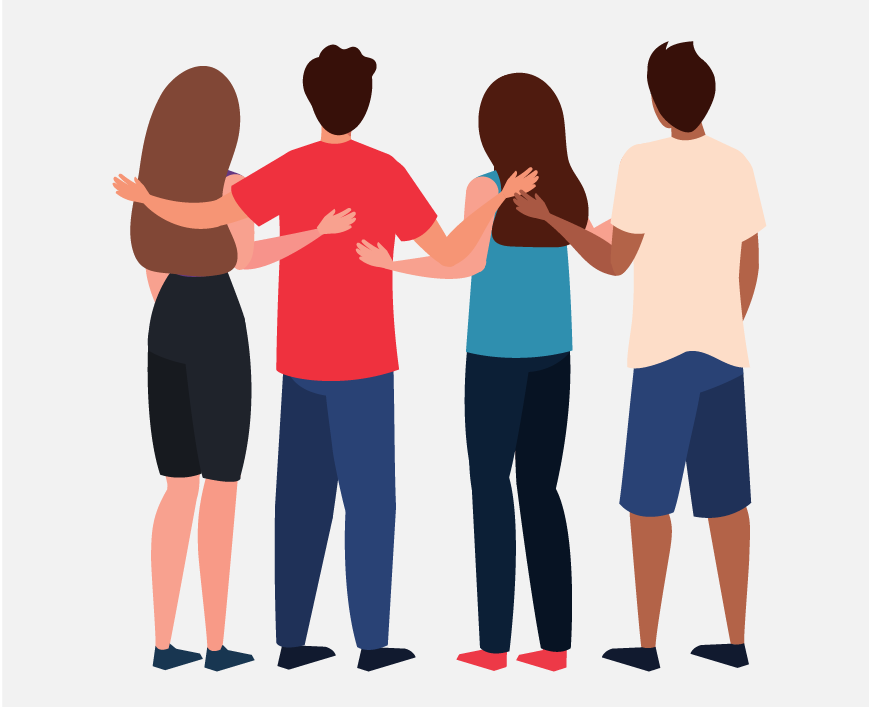
Sometimes an acquaintance can become a friend if you get to know them and choose to spend more time together.
Page 1 of 6
Videos
What is a Relationship:
Family Relationships:
Friendships:
Romanic Relationships:
Aquaintances:
Strangers:

A stranger is a person that you have never met before.
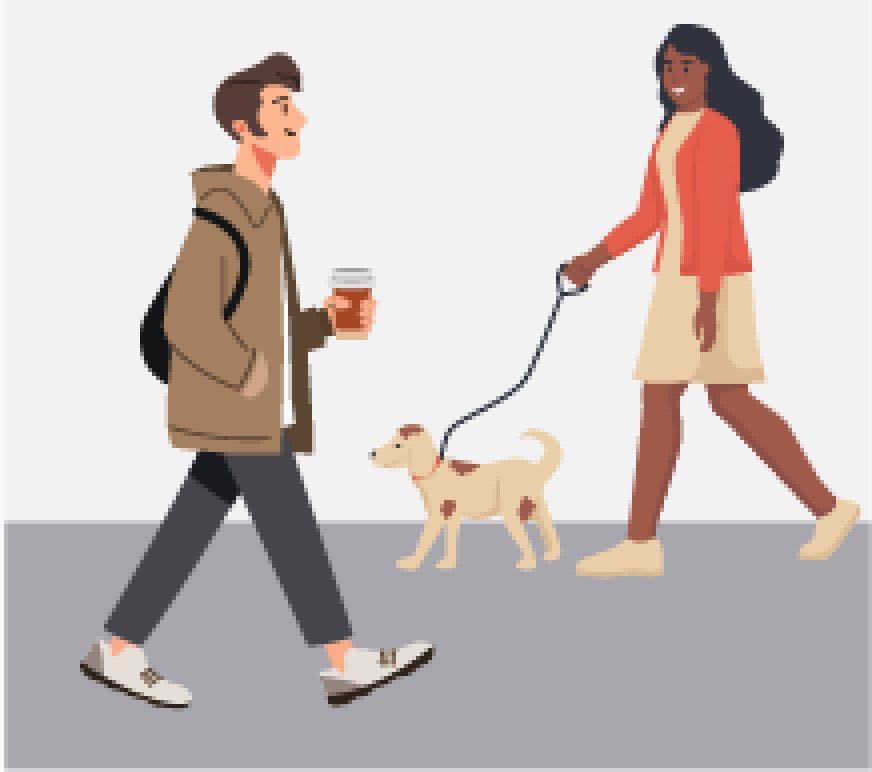
People walking down the street or shopping in a store are examples of strangers.
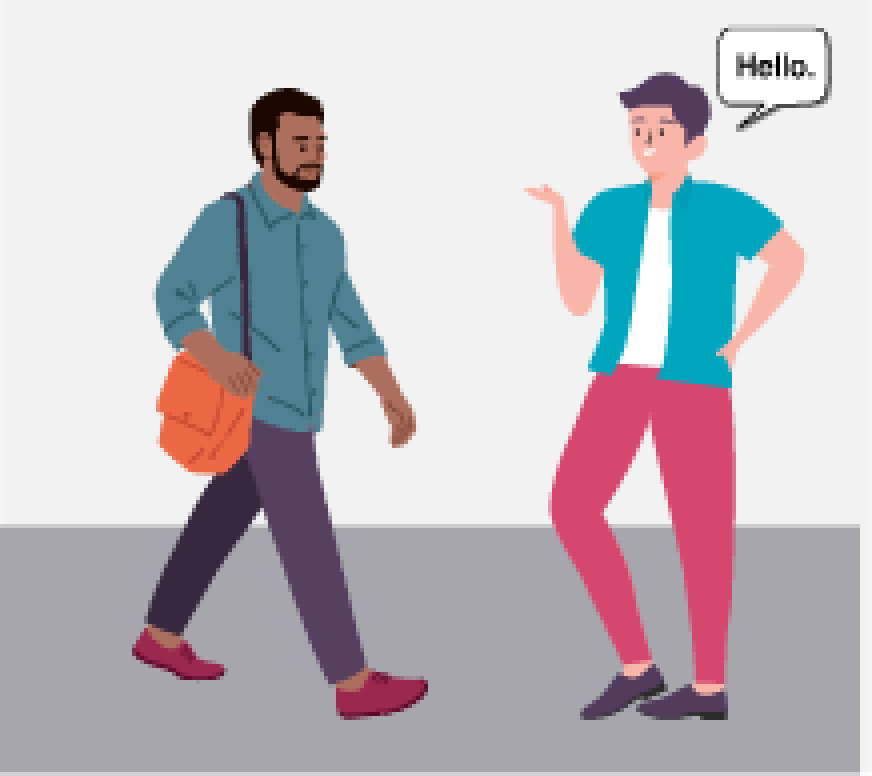
Sometimes strangers will smile or say "hello" if you walk past them, it's okay to smile and say "hello" back.
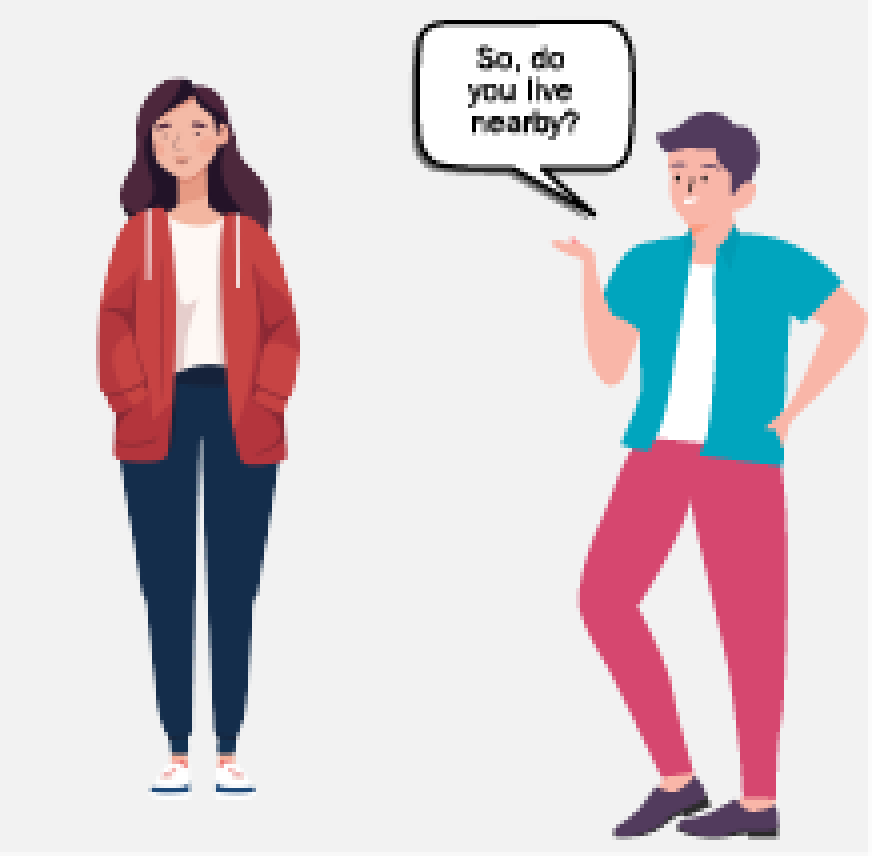
You shouldn't tell strangers personal things about yourself.
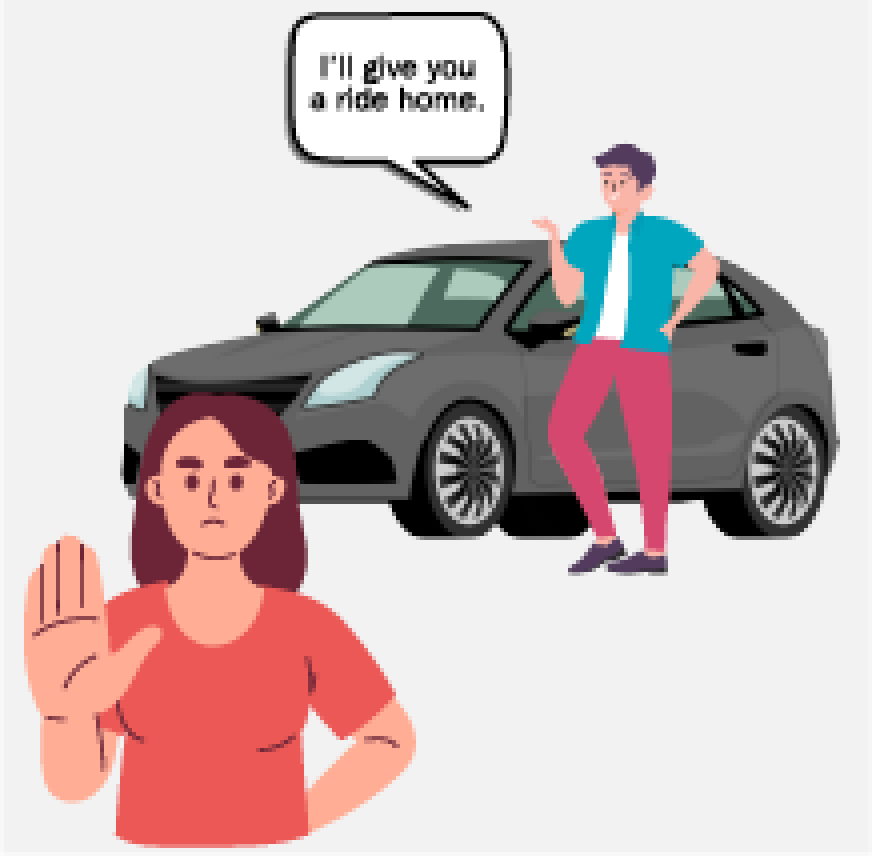
You should never get into a car or leave with someone you don't know.
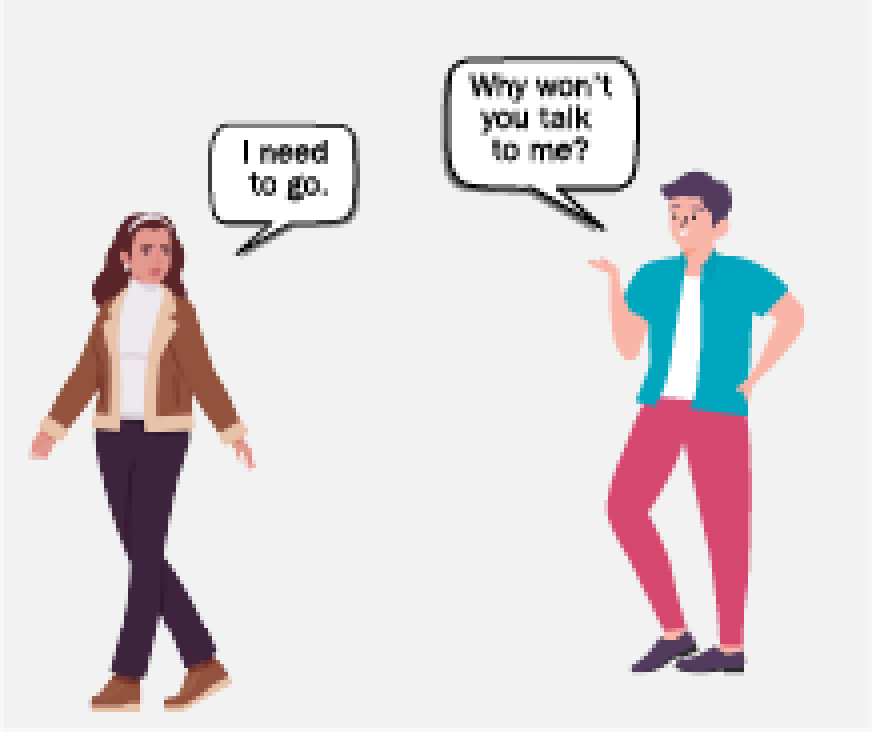
If a stranger tries to talk to you, asks you to go somewhere with them, or makes you feel uncomfortable, walk away and find a trusted adult.
Page 1 of 6
Other downloads
| Name | Description | Type | File |
|---|---|---|---|
| Part 1 | What is a Relationship | Download file: Part 1 | |
| Part 2 | Family Relationships | Download file: Part 2 | |
| Part 3 | Friendships | Download file: Part 3 | |
| Part 4 | Romantic Relationships | Download file: Part 4 | |
| Part 5 | Acquaintances | Download file: Part 5 | |
| Part 6 | Strangers | Download file: Part 6 | |
| Relaciones, parte 1: ¿Qué es una relación? | Spanish | Download file: Relaciones, parte 1: ¿Qué es una relación? | |
| Стосунки, частина 1: що таке стосунки | Ukranian | Download file: Стосунки, частина 1: що таке стосунки | |
| सम्बन्ध भाग एक: सम्बन्ध भनेको के हो? | Nepali | Download file: सम्बन्ध भाग एक: सम्बन्ध भनेको के हो? | |
| Relaciones, parte 2: relaciones familiares. | Spanish | Download file: Relaciones, parte 2: relaciones familiares. | |
| Стосунки, частина 2: сімейні стосунки | Ukranian | Download file: Стосунки, частина 2: сімейні стосунки | |
| सम्बन्ध भाग २: पारिवारिक सम्बन्धहरू | Nepali | Download file: सम्बन्ध भाग २: पारिवारिक सम्बन्धहरू | |
| सम्बन्ध भाग ३: मित्रता | Nepali | Download file: सम्बन्ध भाग ३: मित्रता | |
| Relaciones, parte 3: amistades | Spanish | Download file: Relaciones, parte 3: amistades | |
| Стосунки, частина 3: дружба | Ukranian | Download file: Стосунки, частина 3: дружба | |
| Стосунки, частина 4: романтичні стосунки | Ukranian | Download file: Стосунки, частина 4: романтичні стосунки | |
| सम्बन्ध भाग ४: रोमान्टिक सम्बन्धहरू | Nepali | Download file: सम्बन्ध भाग ४: रोमान्टिक सम्बन्धहरू | |
| Relaciones, parte 4: Relaciones románticas | Spanish | Download file: Relaciones, parte 4: Relaciones románticas | |
| परिचित ब्यक्तिहरू | Nepali | Download file: परिचित ब्यक्तिहरू | |
| Relaciones, parte 5: Conocidos | Spanish | Download file: Relaciones, parte 5: Conocidos | |
| Стосунки, частина 5: знайомі | Ukranian | Download file: Стосунки, частина 5: знайомі | |
| सम्बन्ध भाग ६: अपरिचित ब्यक्तिहरू | Nepali | Download file: सम्बन्ध भाग ६: अपरिचित ब्यक्तिहरू | |
| Relaciones, parte 6: Desconocidos | Spanish | Download file: Relaciones, parte 6: Desconocidos | |
| Стосунки, частина 6: незнайомці | Ukranian | Download file: Стосунки, частина 6: незнайомці |
This information was developed by the Autism Services, Education, Resources, and Training Collaborative (ASERT). For more information, please contact ASERT at 877-231-4244 or info@PAautism.org. ASERT is funded by the Bureau of Supports for Autism and Special Populations, PA Department of Human Services.