Annie is 30 years and old and eager to gain blogging experience. She’s also an aspiring artist learning to make jewelry and other crafts with the hopes of one day sharing her creations with the world online. Annie’s a hard worker and is always there for her family, whether it’s helping out around the house or just curling up on the couch with them and their pets for some relaxation and bonding. You can always count on her to quote movie lines just to make you laugh or to learn new recipes to share delicious food and baked goods with you.
View all postsMy Experience with PMDD
Posted on
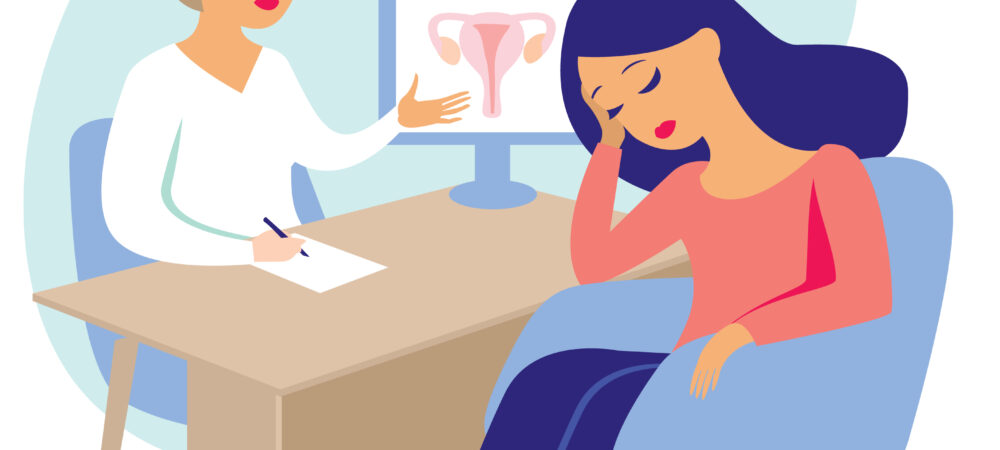
Hello, it’s been a while since I last wrote. It’s now April, and finally springtime. For my April blog post, I know it’s Autism Awareness and Acceptance Month, but I thought of discussing something personal that I have been struggling with. I wanted to write about my struggles with Premenstrual Dysphoric Disorder, or PMDD for short. I think it’s important for me to open up about my problem so other women who are going through it won’t feel so alone. Before I jump into this topic, I should explain what it is. PMDD is a severe, chronic, and evil version of PMS. It can be debilitating and has a negative impact on your life, relationships, and work. It is considered a mental health problem and is listed as a depressive disorder because of intense mood swings, depression, anxiety, rage, and paranoia. These symptoms usually subside at the start of a monthly cycle. Now I am going to tell you my personal experience with PMDD.
Every month, I feel depressed, and that depression lasts for at least two weeks before my cycle. I get these crying spells that go on for an entire day, which can also spill into the next day. The problem I have is that I never know when they come and when they stop. It feels like it’s unpredictable, and that’s the frustrating downside of my issue. I feel like I have little to no desire to do anything, not even to eat, almost like the only thing I would rather do is lie down and do nothing all day. I hate feeling that way and wish I didn’t experience it every month. It doesn’t help that sometimes I feel like I am misunderstood, and others don’t get it. I am going to talk to my doctor about treatment options that could help me feel better. I think talking to my doctor about it is the best thing I can do. The one thing I find debilitating the most out of all of this is the mental side because not only does it affect me, but everyone around me. The mental issues subside when the cycles happen. The physical problems aren’t as big an issue for me as the emotions are. I was given the advice from loved ones that you have to try and do something to make you feel happy, and don’t listen to the voice of depression telling you things that are not true. For example, don’t listen to that voice that tells you that you are worthless or that no one cares about you. You know why? Because you know deep down you are loved by many people around you, even if you don’t feel it. You are worth more than words can say. You are stronger than you think you are. There are a lot of people out there who have worse pain and worse issues than you, and so if they can get through it all, so can you.
I learned that as I get older and I hit perimenopause, it will get worse for me and a little more challenging, given the fact that it will be more unpredictable because with perimenopause, the cycles are more irregular, so I will never know when my PMDD will be triggered. It also doesn’t help that I also live with Polycystic Ovarian Syndrome or PCOS, which is an endocrine/metabolic problem. I deal with both of those issues simultaneously, and they both cause me to be depressed.
The one thing I didn’t know was that it was considered a disability by the Americans with Disabilities Act (ADA) and the Social Security Administration (SSA). They consider it a disability if it impairs your daily life, activities, and work. And because it’s a serious mental condition, it does often require accommodations such as a flexible work schedule or time off under FMLA. I am bringing this up because I have been reading up on this, and the things I learn about it become more interesting.
As I conclude my post, I would like to say the main reason why I chose to discuss this topic instead of something autism related for April is that this topic really matters to me. I feel that if I talked about my personal experience and what my life is like living with it, maybe other women who suffer from it could feel better, too. I felt like this needed to be discussed because it’s not often talked about. I know May is Mental Health Awareness month, but I am not writing anything for that month. If anyone reads this post, I want them to get a better understanding of what life is like dealing with this severe and chronic problem, and to know they are never alone.
Annie Snow
