Anne spent most of her life feeling misunderstood until she was diagnosed with Autism later in life. Everything started to eventually make sense, even more so, when her family was all diagnosed with ASD and they begin this new journey together. She wants to write about all of this because sometimes one’s struggles are silent and only through efforts towards inclusion can we all be more comfortable to communicate our struggles. And as someone who is rejection sensitive, she often fails to communicate her struggles because she anticipates that her struggles will lead to further rejection and the cycle continues. She hopes that sharing her vulnerabilities leads to at least one person better understanding themselves or an Autistic loved one. She is looking forward to sharing more specifics about her struggles as a neurodiverse family residing in Pennsylvania.
View all postsLoneliness
Posted on
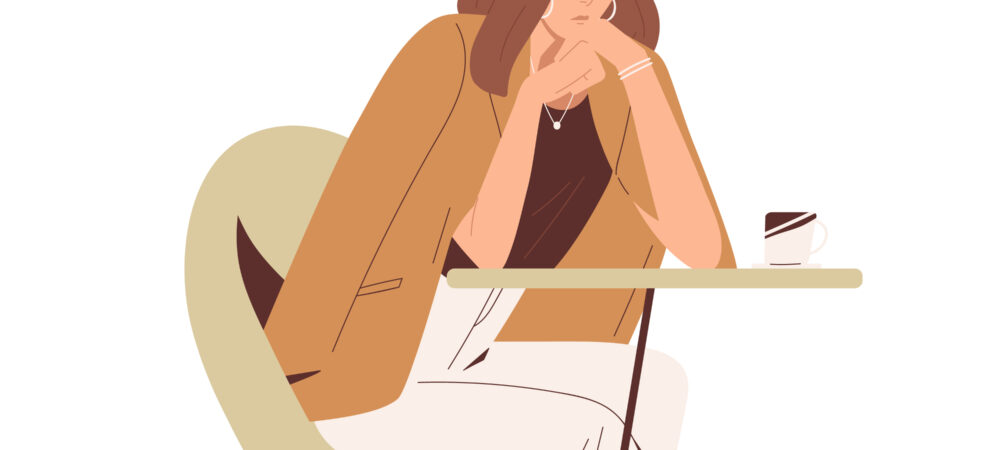
I find myself often incredibly lonely in this world. I have lived with family and friends over the years, yet I go unseen. I feel like I am regularly misunderstood by family and friends; it’s like no one understands how I think and feel.
Over the past two years, I have played an online game, and I have encountered many friendships as well as some that have become bitterly sour and some that have ended in blocks. But there have been a few people that I have wanted to get a passport and leave everyone behind and move to a different country, just to spend time with the people in person.
Which brings me to the observation I have found most interesting. I think there are a great number of people in this world who experience this same level of loneliness. They find others like them and get closer to them as a way to be closer to someone.
It makes me wonder why so many people in this world are so similar. Are we disenfranchised by society so much that we must seek out others? How could we do better as a society to make everyone feel more included?
I don’t think loneliness always comes from being alone. Sometimes it comes from being surrounded by people who don’t quite “get” you. For many of us, especially those of us who think, process, or communicate differently, it can feel like we are speaking a language no one else fully understands. Even when people care, there can still be a gap.
What I’ve started to realize is that connection often happens in unexpected places. For me, that has been online. In spaces where people are brought together by shared interests, it becomes easier to be yourself first and explain yourself second. These connections can feel more genuine, even if they exist through a screen.
But that also comes with its own challenges. Online friendships and relationships can be intense, fast-moving, and fragile, especially if you have to rely on translation tools to navigate various cultures and languages. When those friendships end, the loss can feel just as real, if not more so, because those connections often fill a space that has been empty for a long time.
Where does that leave us?
I think part of the answer is recognizing that loneliness is not a personal failure. It is a shared human experience, even if it feels isolating. There are more people feeling this way than we often realize.
As a society, maybe we need to rethink what inclusion actually looks like. It’s not just about inviting people into spaces – it’s about making space for different ways of thinking,
communicating, and connecting. It’s about listening without trying to “fix” or translate someone into something more familiar.
And on a personal level, I think it means continuing to seek out the people who do understand, even if it takes time, even if they are far away, even if those connections don’t always last.
Because even brief moments of being truly seen can remind us that we are not as alone as we feel.
Anne Brown