
Ziggy is a Certified Peer Specialist in PA and currently resides in Pittsburgh. He is a member of the Let’s Act committee, a group of peers devoted to raising awareness about mental health care. In his downtime, he enjoys reading novels and watching nature documentaries.
View all postsBuilding Resilience: Navigating Life's Rapids
Posted on
Life has a way of throwing unexpected challenges our way. Whether it’s a personal crisis, a career setback, or something else entirely, how we respond to these moments often defines our path forward. The concept of resilience—our ability to adapt to life-altering events over time isn’t just some abstract psychological term. It’s a skill we can actively build and strengthen.
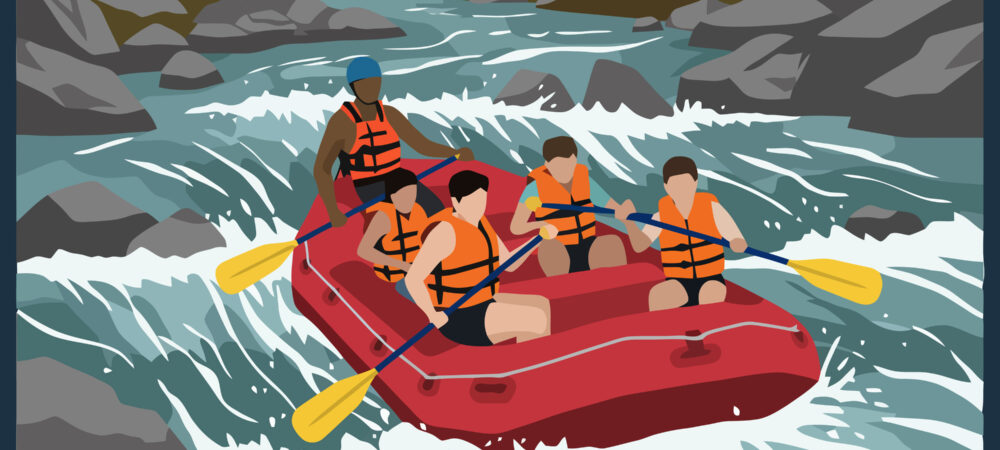
Think of resilience like navigating a river on a raft. When you can see the turbulence ahead, you have a chance to prepare. The rapids may still be rough, but you’re not caught off guard. That’s what resilience offers us: the tools to adapt through life’s challenges while dealing with whatever comes our way.
One of the most reassuring truths about resilience is understanding what it isn’t. Being resilient doesn’t mean you’ll never face difficult circumstances. It doesn’t make you immune to pain, struggle, or heartbreak. Rather, resilience is about how you respond and rebuild. Becoming resilient is like working out at the gym. You don’t walk in and immediately lift the heaviest weights. You build strength gradually, consistently, over time.
So how do we actually cultivate resilience? Four key factors emerge: connection, wellness, healthy thinking, and meaning. These aren’t just buzzwords; they’re actionable areas where focused effort can make a real difference.
Connection means building relationships with people in your life, attending groups, and creating a network of support. Wellness involves taking care of your health, avoiding unnecessary stressors, and practicing mindfulness exercises. Healthy thinking challenges us to reframe how we perceive and respond to difficulties. And finding meaning, whether through volunteering, setting personal goals, or pursuing purpose, creates a stronger sense of self-worth that anchors us when storms hit.
It’s also worth acknowledging that sometimes we need professional support. Many people cannot navigate a crisis alone, and seeking help from a mental health professional isn’t a sign of weakness, it’s a smart, proactive step toward building resilience.
When I took a test called: Everyday Health Resilience Assessment, the results placed me in the moderately resilient category. Reflecting on that score, I recognized a few areas where growth is possible. Asking for help when I need it, rather than trying to shoulder everything alone, is one opportunity. Practicing wellness exercises more consistently could help create calm when stressful situations arise. Volunteering more frequently is another avenue worth exploring, offering both connection and meaning simultaneously.
The beauty of resilience is that it’s not a fixed trait. It’s not something you either have, or you don’t. Resilience is a skill, a practice, a muscle we can all develop. The more we understand what builds it, the better equipped we become to face whatever rapids lie ahead.
Ziggie
